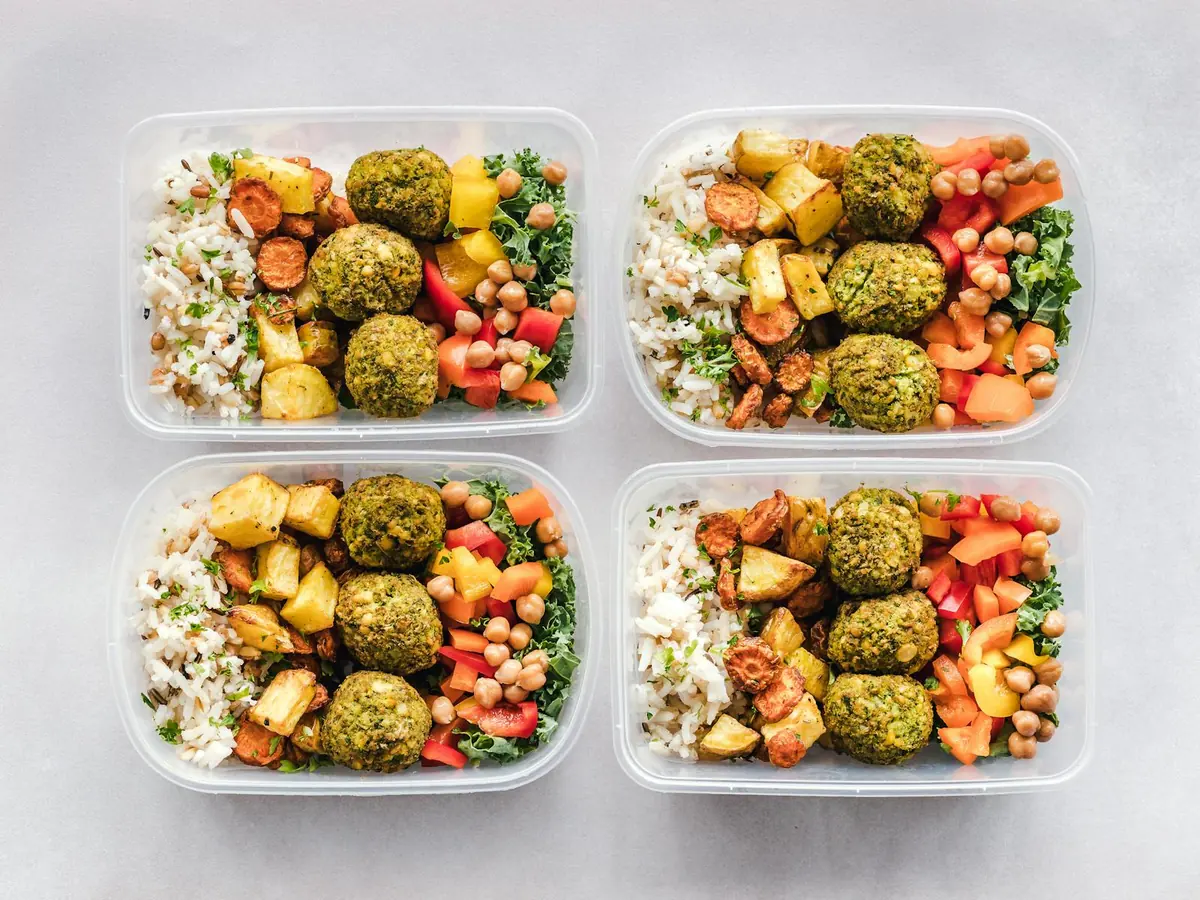
Why Indian thalis can still reverse type 2 diabetes — when balanced right.
The fix isn't giving up rice, rotis or dal. It's portion, fibre, eating order and three small swaps. A complete BBDO field guide to the diabetic-friendly Indian plate.
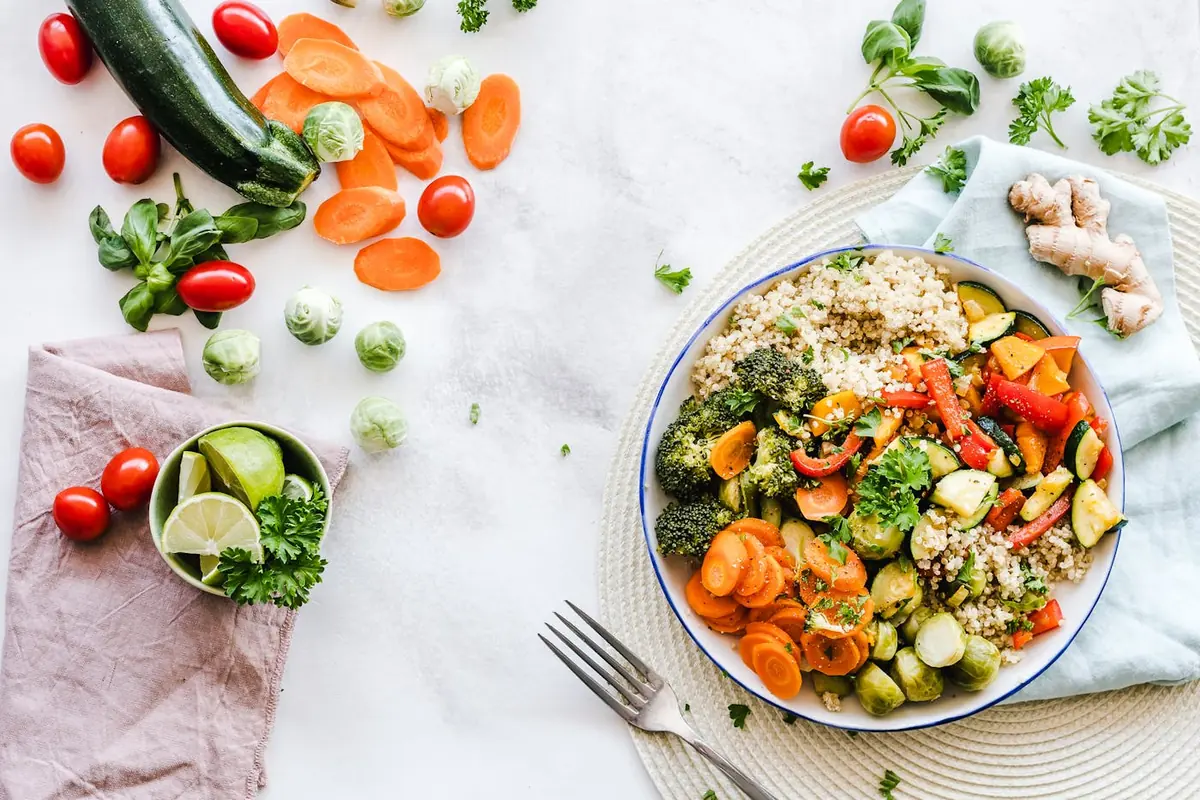
In this article
- 01Why your current thali spikes your sugar
- 02What actually drives the post-meal spike
- 03The BBDO half-quarter-quarter plate
- 04Three swaps that change the curve
- 05Region-by-region BBDO plate templates
- 06What to stop, today
- 07What to add, this week
- 08The seven-day BBDO thali challenge
- 09Frequently asked questions
Most Indians are told the same thing the day they're diagnosed: stop the rice, stop the rotis, stop the sweets — basically, stop eating. It is bad advice. The thali isn't the enemy. An unbalanced thali is. The same plate that put 80 million Indians into type 2 diabetes is also the plate that — rebuilt around fibre, protein and eating order — is reversing it for 80,000+ BBDO members across the country.
This is the field guide we use inside BBDO. No imported superfoods, no expensive subscriptions, no calorie math. Just a plate that flattens your post-meal glucose curve by 25–35% on the very next CGM reading.
Why your current thali spikes your sugar
Open most Indian lunchboxes and you will find roughly the same ratio: 65–75% of the calories are refined carbohydrate. Polished rice, maida rotis, jaggery in the chai, evening biscuits with the second chai, a sweet after dinner. Each meal triggers a sharp glucose spike. The pancreas overshoots insulin to clear it. Fat gets locked into storage. Four hours later you are hungry again — and you reach for another carb. Repeat three times a day for fifteen years and you have an entire generation walking around with HbA1c above 7.
It is not the rice. It is the ratio, the fibre, and the order in which the food enters your stomach.
What actually drives the post-meal spike
Glucose response is governed by three levers, and only three: total carbohydrate load in the meal, the fibre present alongside it, and the sequence in which the food enters your gut. Eat fibre and protein first, carbohydrate last, and the curve flattens by 20–35% on the very next CGM reading. We have over two thousand member CGM traces that show this. It is the cheapest intervention in metabolic medicine, and it is hiding in plain sight.
The BBDO half-quarter-quarter plate
- Half the plate: non-starchy vegetables — sabzi, salad, raita, sprouts, sautéed greens.
- A quarter: protein — dal, paneer, eggs, fish, chicken, tofu, soya.
- A quarter: complex carbohydrate — brown rice, hand-pounded rice, millets (ragi, jowar, foxtail), or two phulkas.
- A thumb of healthy fat: ghee, cold-pressed mustard or groundnut oil, a small handful of nuts or seeds.
The eating order rule
Salad first. Protein second. Carbohydrate last. The fibre forms a mesh inside the gut that slows glucose absorption. The protein triggers GLP-1 — your body's own natural Ozempic. By the time the carbohydrate reaches the bloodstream, the curve is already buffered. CGM data from the BBDO cohort shows a 22–35% lower peak from sequencing alone, before you change a single ingredient.
Three swaps that change the curve
- Polished white rice → hand-pounded rice or millets (ragi, jowar, foxtail). Same comfort, half the spike.
- Cornflakes or sugary cereal → soaked overnight oats with chia, cinnamon and walnuts.
- Jaggery-loaded chai → unsweetened chai plus a square of 70% dark chocolate after the meal.
Region-by-region BBDO plate templates
North Indian plate
Two phulkas of mixed atta (60% wheat, 40% bajra), one bowl of moong-arhar dal, a sabzi cooked in mustard oil with at least three vegetables, a kachumber salad with onion and tomato, and a small bowl of curd. Order: salad, then dal and sabzi, then phulka.
South Indian plate
Half a cup of brown rice or two ragi mudde, a bowl of sambar (heavy on toor dal and vegetables), a poriyal of beans or cabbage, a kosambari of moong sprouts, and curd. Avoid the second helping of rice — keep one helping of millet ready for the second round.
Bengali / East Indian plate
A small mound of brown rice, a piece of grilled or steamed fish, a shukto (mixed bitter vegetables), a chholar dal, and salad. The bitter notes are not optional — bitter melon and karela genuinely improve insulin sensitivity.
West / Gujarati / Maharashtrian plate
Two jowar bhakris, a green vegetable sabzi, varan (toor dal), a koshimbir salad, a small piece of jaggery-free thecha, and curd. Skip the sweet shrikhand at the end — replace it with a square of dark chocolate if needed.
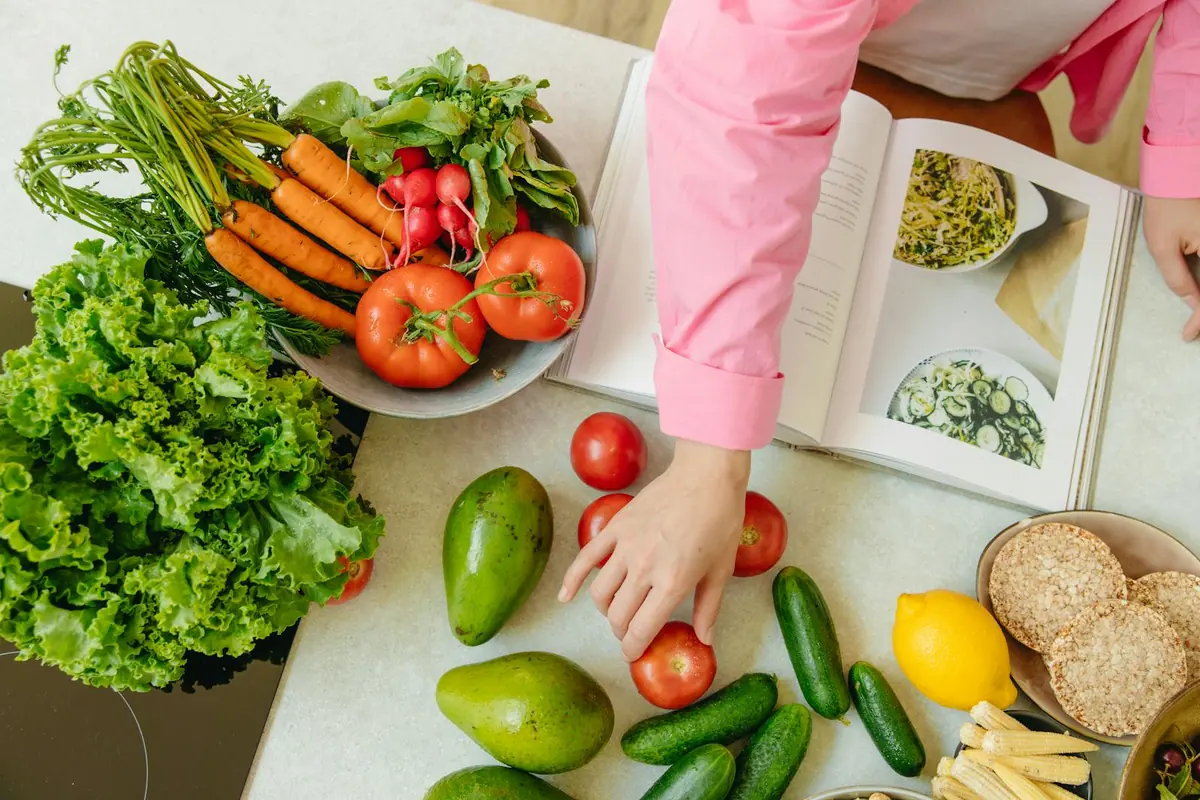
What to stop, today
- Liquid sugar — fruit juice, soda, sweetened lassi, flavoured yoghurt, sweetened buttermilk.
- Snacking after 8 pm. The circadian insulin response is half what it was at noon.
- Refined seed oils for daily cooking — switch to ghee, mustard, coconut, or cold-pressed groundnut.
- Maida in any form — pao, naan, biscuits, rusk, samosa, pakoda. Even the 'multigrain' biscuits.
- Dry fruit smoothies. Date-and-banana shakes are diabetic landmines.
What to add, this week
- One handful of mixed sprouts every morning, raw with lemon and chaat masala.
- One serving of fermented food daily — homemade curd, kanji, idli batter, or pickled vegetables.
- Two tablespoons of ground flaxseed or chia, soaked overnight, into your first meal.
- One bitter food a day — karela juice (small shot), methi sabzi, or fenugreek seeds soaked overnight.
- Cinnamon in your morning tea or sprinkled on overnight oats — modestly improves fasting glucose.
"The Indian plate already has every tool to reverse diabetes. We just stopped eating it the way our grandmothers did."
The seven-day BBDO thali challenge
Pick one meal a day. Apply the half-quarter-quarter plate. Eat in order: salad → protein → carb. Walk for ten minutes within thirty minutes of the last bite. Track fasting glucose every morning. Most BBDO members see a 12–18 mg/dL drop in a single week — and that is before fasting, movement, supplements or stress work even kick in.
Frequently asked questions
Can I really still eat rice?
Yes. The portion is what changes — a quarter of the plate, not a mountain. Choose hand-pounded, brown, or red rice when you can. Always pair with protein and fibre, never alone.
Are millets always better?
On average, yes — but rotate. A diet of only ragi for six months can drive other deficiencies. Cycle through ragi, jowar, bajra, foxtail and barnyard. Variety is the actual nutrient.
What about fruit?
Whole fruit, in season, after a meal — not as a meal. One small fruit a day. Skip mango juice and grapes for the first three months of reversal.
How fast will my numbers move?
Fasting glucose typically drops 10–20 mg/dL in the first 14 days from plate work alone. HbA1c lags behind blood glucose by 8–12 weeks — so the next lab is the one that proves it.
Get the BBDO app the day it launches.